Animal World

KENYA

Content Image

Visit
kenya

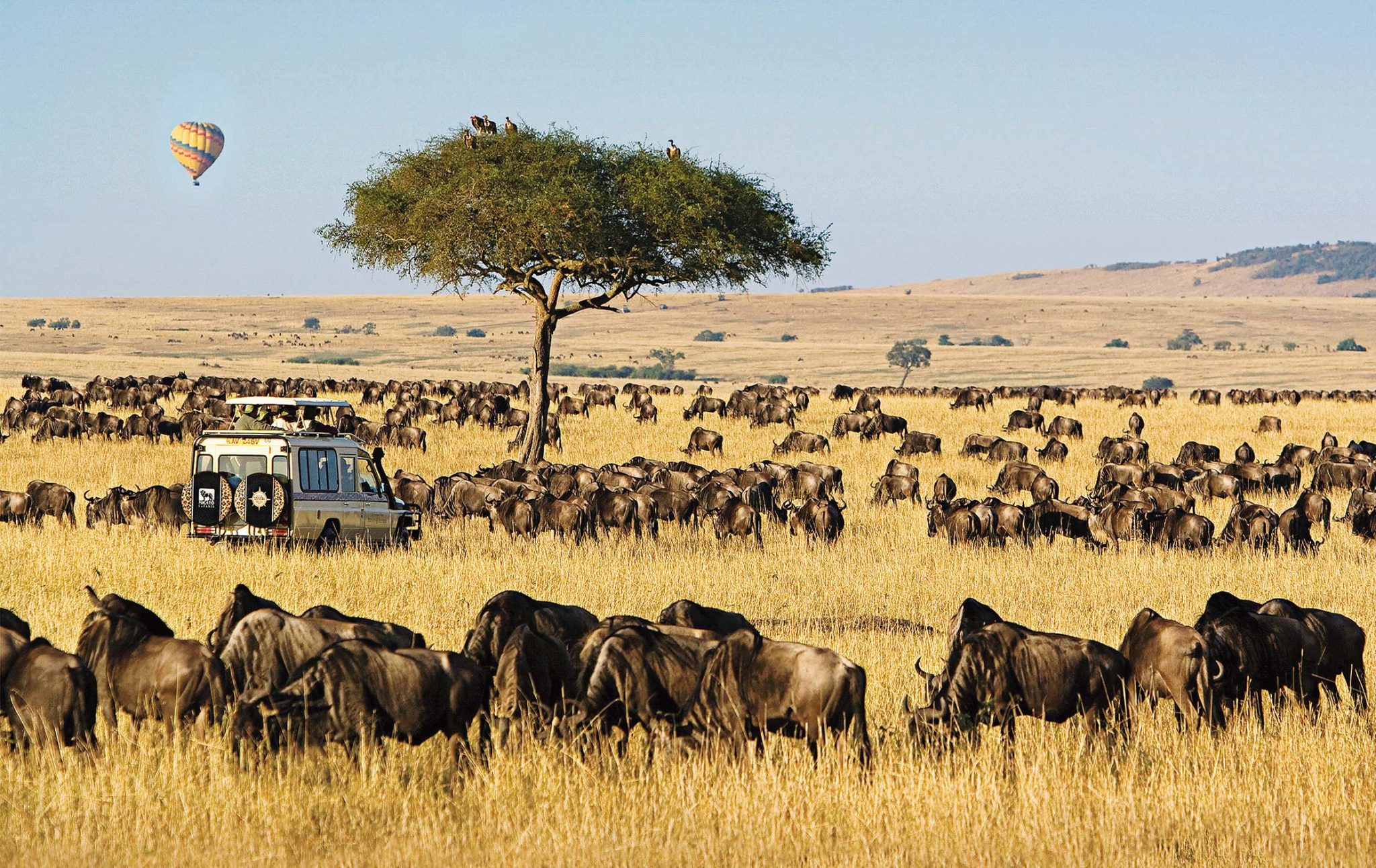
Kenya borders Tanzania and shares some of its famous cultural and natural treasures like Lake Victoria, the second largest freshwater lake in the world, and the African great migration. Make sure with Malaika Safaris that you don’t miss a lifetime experience. We can include Kenya as an optional additional destination for our client to experience the communities which live around Lake Victoria, silken white sandy beaches, coconut palms, sheltered lagoons, and remote islands. Kenya offers an opportunity to experience part of the great migration which starts from Tanzania’s Serengeti, when almost 2 million wildebeest and 20,000 plains game migrate towards the south of Kenya’s Maasai Mara. A safari which includes Kenya as part of the trip enables visitors to experience this epic migration from its start to its end point, with each part of the journey offers a unique wildlife experience.

Interesting Route
Overnight Stay
Animals Meeting
Safari Jeep

Tsavo East and West
National Park

These twin parks form one of Africa’s largest wilderness reserves. Consisting of 10 million acres of pure wilderness made of savannah range and hills, acacia, montane forest and extensive river systems, the Park is home to most of the larger African mammals, vast herds of dust-red elephant, rhino, buffalo, lion, leopard, hippos, waterbucks, Kudus, Gerenuk and Hirola.

The Park acquired its name ‘Tsavo’, meaning ‘slaughter’ from the Akamba people, who first migrated to the area some five centuries ago – long before the arrival of the more famous leonine slaughterers, the ‘Man-Eaters’ of Tsavo. The largest safari elephant herds in the world are found here.
Amboseli
National Park

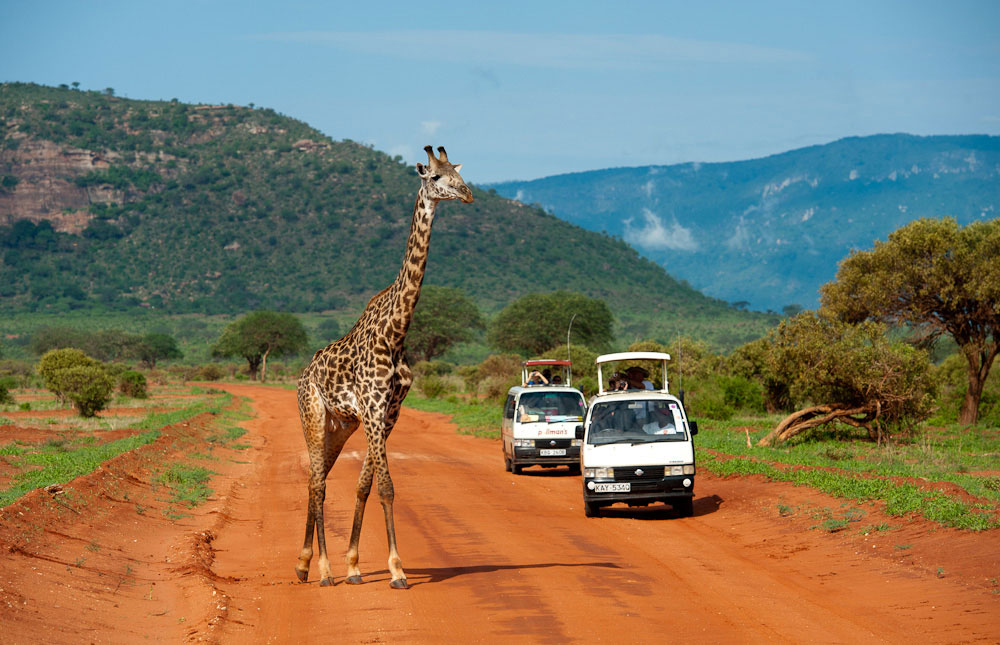
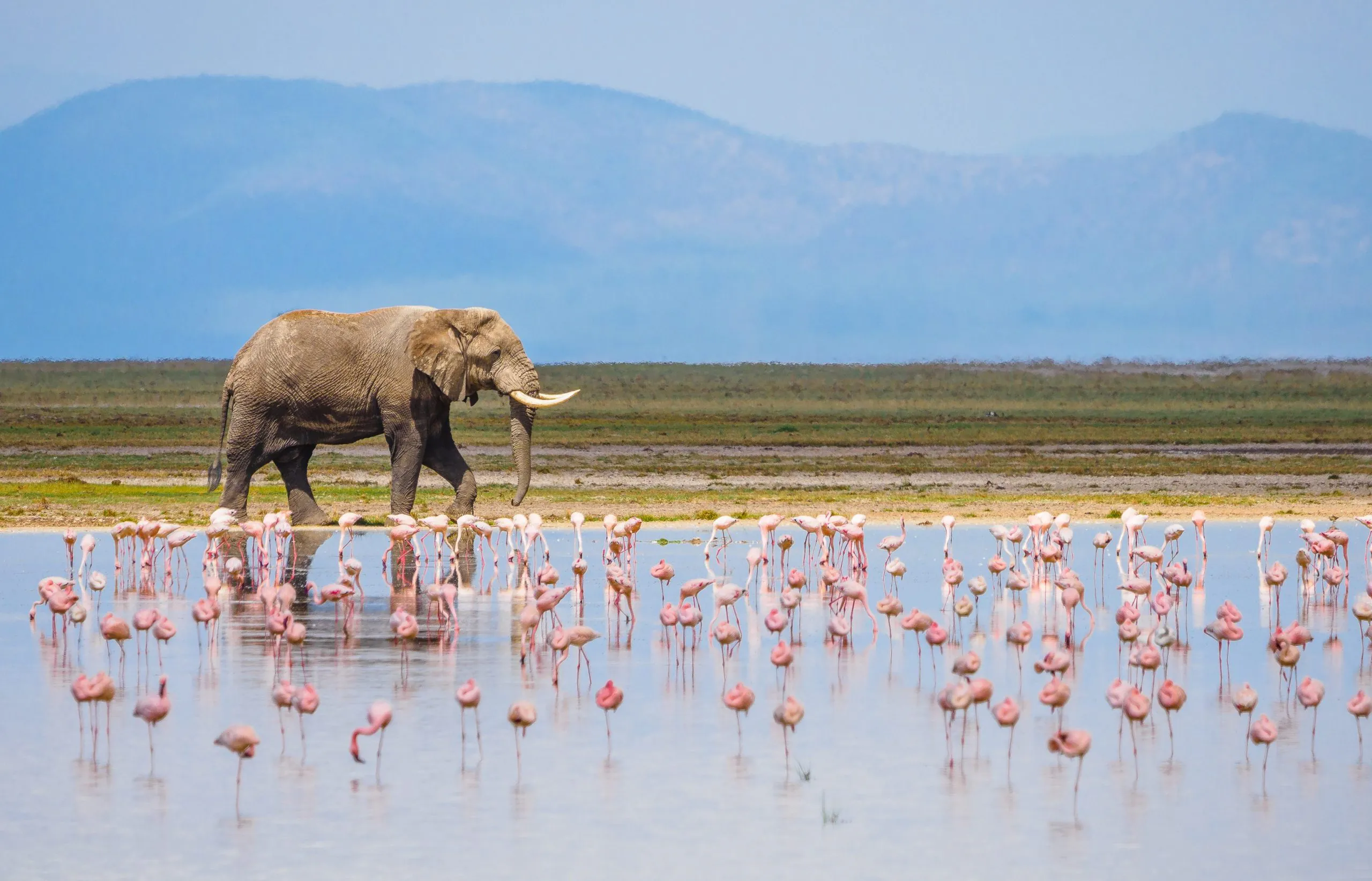
Lake Amboseli is a non-permanent lake which fills only in heavy rainfall which feeds underground streams from Mt Kilimanjaro. The area has a large Maasai community. The Big 5 and other wildlife such as spotted and striped hyena, Maasai Giraffe, leopard, cheetah, Hyrax, did-dik, crocodile, Lesser Kudu and nocturnal porcupine are to be found within the park. There are large swamps hosting the many elephants, buffaloes, hippos and water fowls.


Lake Nakuru
National Park

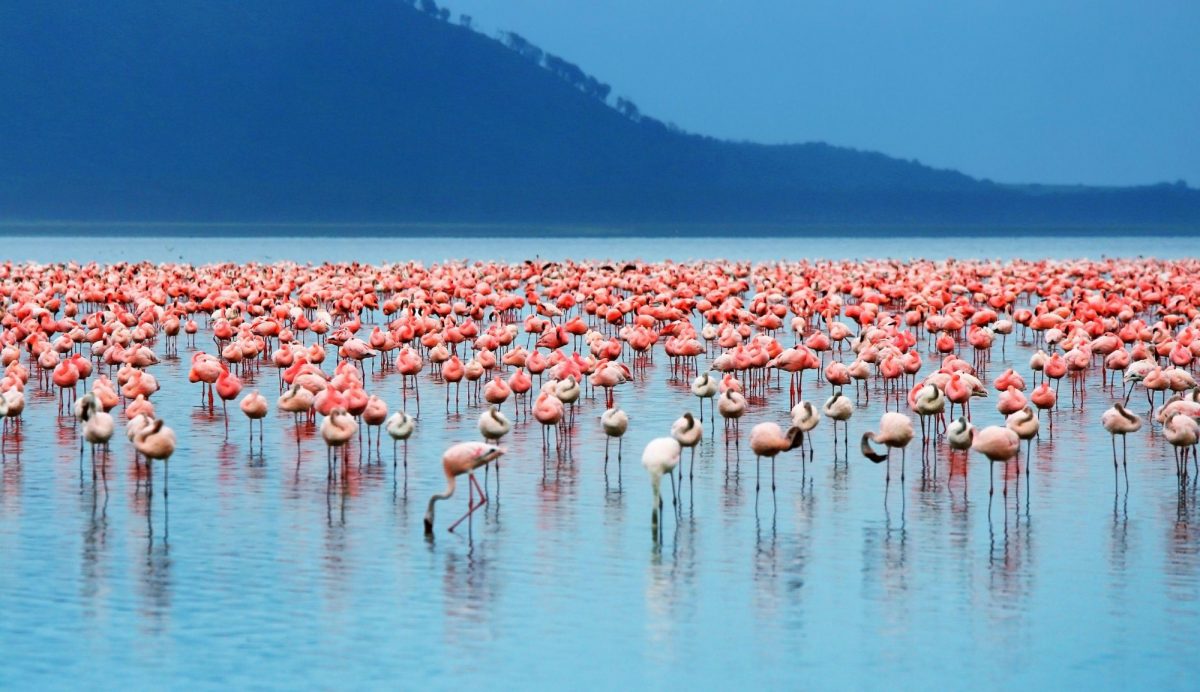
Lake Nakuru National Park, within which lie the shimmering waters of Lake Nakuru, is packed with pink flamingos and over 450 bird species. The park is also home to wildlife such as the Rock Hyrax, Colobus monkey, hippo, leopard, lion, black and white rhinos, water buck, stripped hyena, the golden cat, Thomson’s and Grant gazelle, Rothschild Giraffe.

Ol Pejeta
Conservancy

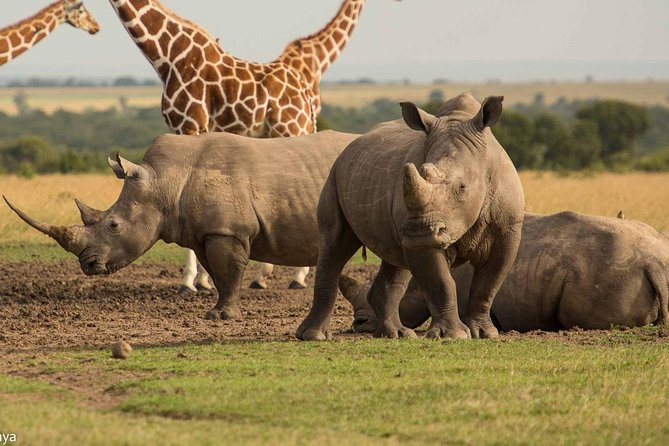
The Conservancy is home to the big five, which includes the endangered black and white rhino, the lion, elephant, buffalo and leopard, and provides a sanctuary for rescued chimpanzees. Conservancy aims to secure habitat for the purposes of wildlife conservation and in particular the endangered black rhino species makes Ol Payeta the largest black rhino sanctuary in East Africa.

In 2009, they received 4 of the last Northern White rhinos from a zoo in Czech Republic to ensure they got favorable breeding conditions to ensure the species does not become extinct.

Samburu
National park

Samburu National Park, and the Ewaso Nyiro River is home to Somali ostrich, gerenuk, reticulated giraffe, Beisa oryx and Grevy’s zebra. Other wildlife which can easily be spotted includes antelope, leopard, lion, cheetah and hyenas; all are easy to spot. There are over 450 bird species.

Mount Kenya
National park

The vegetation here is mainly alpine and sub-alpine flora, bamboo forests, moorland and tundra. There is pristine wilderness, lakes, tarns, glaciers and peaks of great beauty and mineral springs.

There is also the unique mountain and alpine vegetation.

Wildlife such as elephants, tree hyrax, mole rats, bushbucks, water bucks, elands, suni and white tailed mongoose can be seen in the park. You will rarely see the leopards, bongos, giant forest hogs and rhinos. There are over 130 species of birds. An attraction at the extinct volcanic mountain is the massive circular volcanic cone measuring 70 km (43 miles) in diameter. The mountain is permanently crowned at its peak with a glacier known as Lewis Glacier.

Lake Bogoria
National park

Thousands of flamingos can be seen here, as well as the greater Kudu, buffalo, zebra, cheetah, baboon, warthog, caracal, spotted hyena, impala, dik-dik and many small mammals. Birds include the grey crowned crane, common ostrich, the black-headed herons, sacred ibis and hadada.  Only few water birds are at the lake because it is highly saline.

Aberdares
National park

The Aberdares are moorlands full of mist and here elephants roam through the thick dense forest. There are spectacular waterfalls plunging down into pools and streams filled with trout. The park has the second largest population of black rhinos, endangered rare bongo and the giant forest hog. There are leopards, many bird, insects and reptile species.

Maasai Mara
National Park

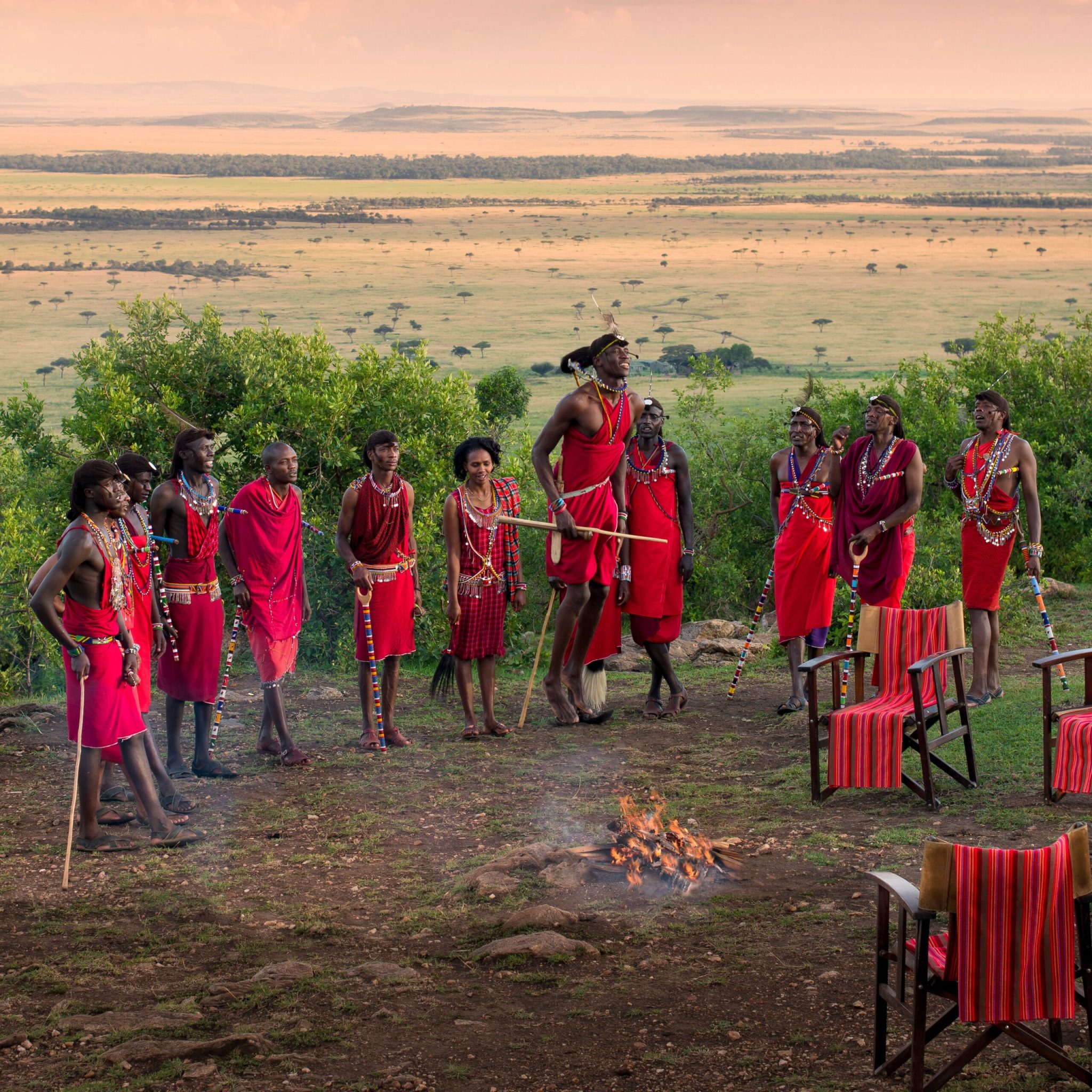
The word “Mara’’ refers to the patchy mosaic of bushes and trees that define the Mara plains. It is a beautiful landscape, with big skies and open savannahs, situated in south-west Kenya. The famous annual wildebeest migration, density of game, variety of birds, chance of a hot air balloon ride and interaction with the tall red-robed Maasai people (a traditionally nomadic people also very much found in Tanzania) all attract people to the Mara. The best time to visit is July to October.

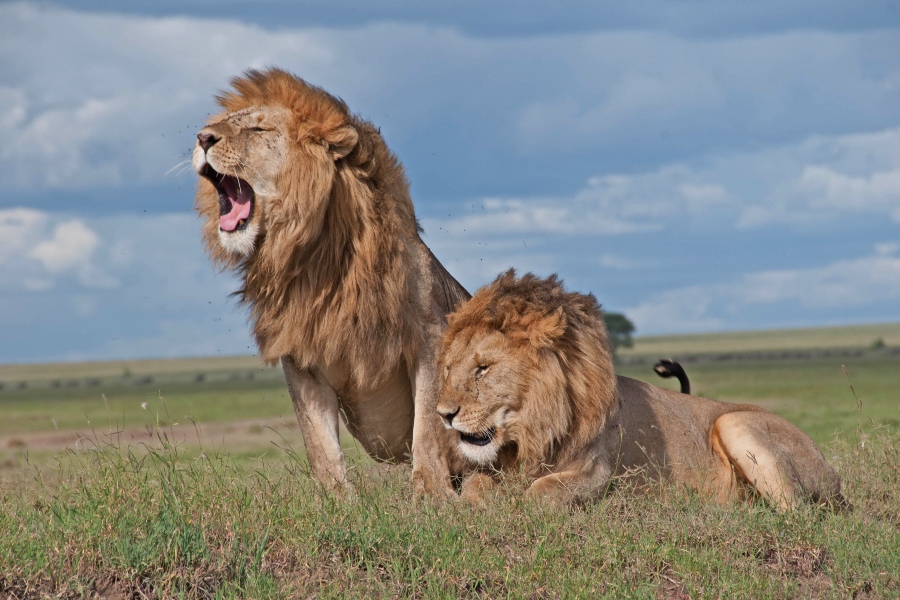
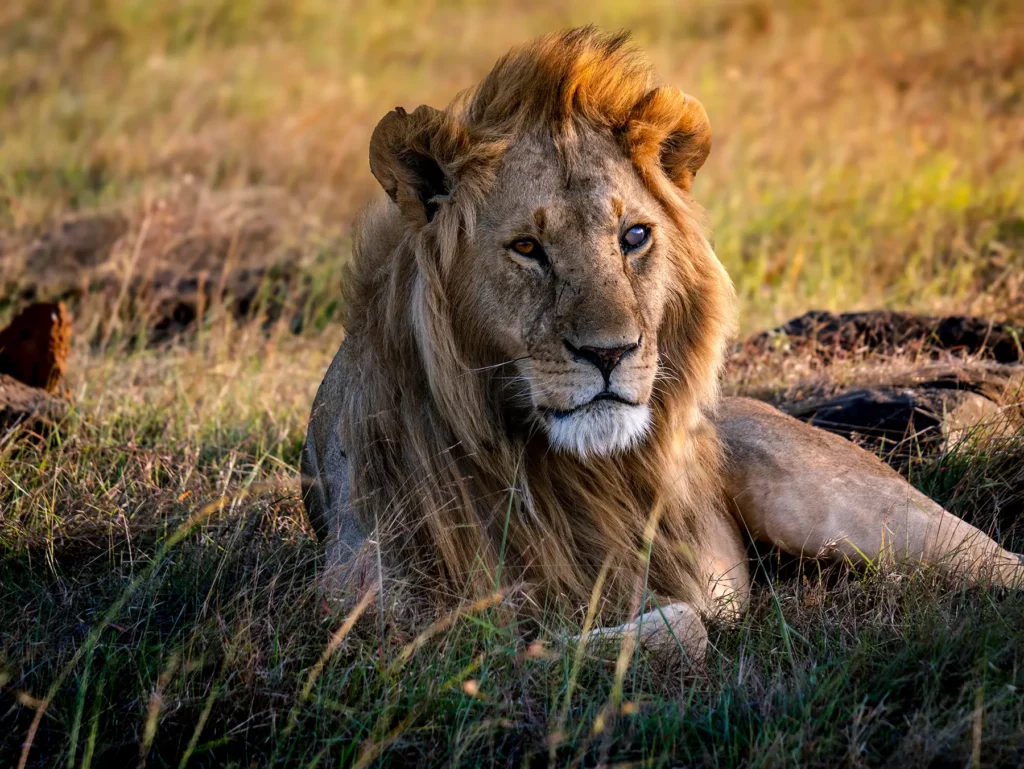
Local villages combine with the national reserves and man and wildlife mostly co-exist in harmony. There is an incredible eco-system with large herds of elephants, buffalo, hippos and crocodile. In the Mara’s brown Talek rivers and their banks you can see giraffe, topi, grant and Thompson gazelle, zebra, many Nile crocodile, blue and red tailed monkeys and tree hyrax. The abundance of herbivores makes it ideal hunting ground for predators and the area is therefore also home to Africa’s famous ‘big cats’; lions, leopards, cheetahs, spotted hyena and jackals can be spotted.